
Using Analytics to Enhance Your Affiliate Marketing Strategy 📊
If you’re diving into affiliate marketing without leveraging analytics, you’re essentially driving blindfolded on a highway. I learned this the hard way during my first year as an affiliate marketer when I was throwing content at the wall and hoping something would stick. The game-changer? When I finally embraced data-driven decision making through comprehensive analytics.
Analytics isn’t just about pretty charts and numbers – it’s your roadmap to affiliate marketing success. Whether you’re a seasoned marketer or just starting your affiliate journey, understanding how to harness the power of data can transform your campaigns from mediocre to magnificent. Let’s explore how analytics can revolutionize your affiliate marketing strategy and boost your revenue potential.

Table of Contents 📋
• Understanding Affiliate Marketing Analytics Fundamentals
• Essential Analytics Tools for Affiliate Marketers
• Key Performance Indicators That Matter Most
• Tracking and Analyzing Traffic Sources
• Conversion Rate Optimization Through Data Analysis
• Competitor Analysis and Market Intelligence
• Advanced Analytics Strategies for Scaling Success
• Common Analytics Mistakes to Avoid
• Future-Proofing Your Analytics Strategy
Understanding Affiliate Marketing Analytics Fundamentals 🎯
Before we dive deep into the technical aspects, let’s establish what analytics means in the affiliate marketing context. Analytics encompasses the collection, measurement, and analysis of data related to your affiliate marketing activities. This includes everything from website traffic patterns to conversion rates, click-through rates, and revenue attribution.
Think of analytics as your business intelligence system. It tells you which promotional strategies work, which products resonate with your audience, and where you should focus your efforts for maximum return on investment. Without proper analytics, you’re making decisions based on gut feelings rather than concrete evidence.
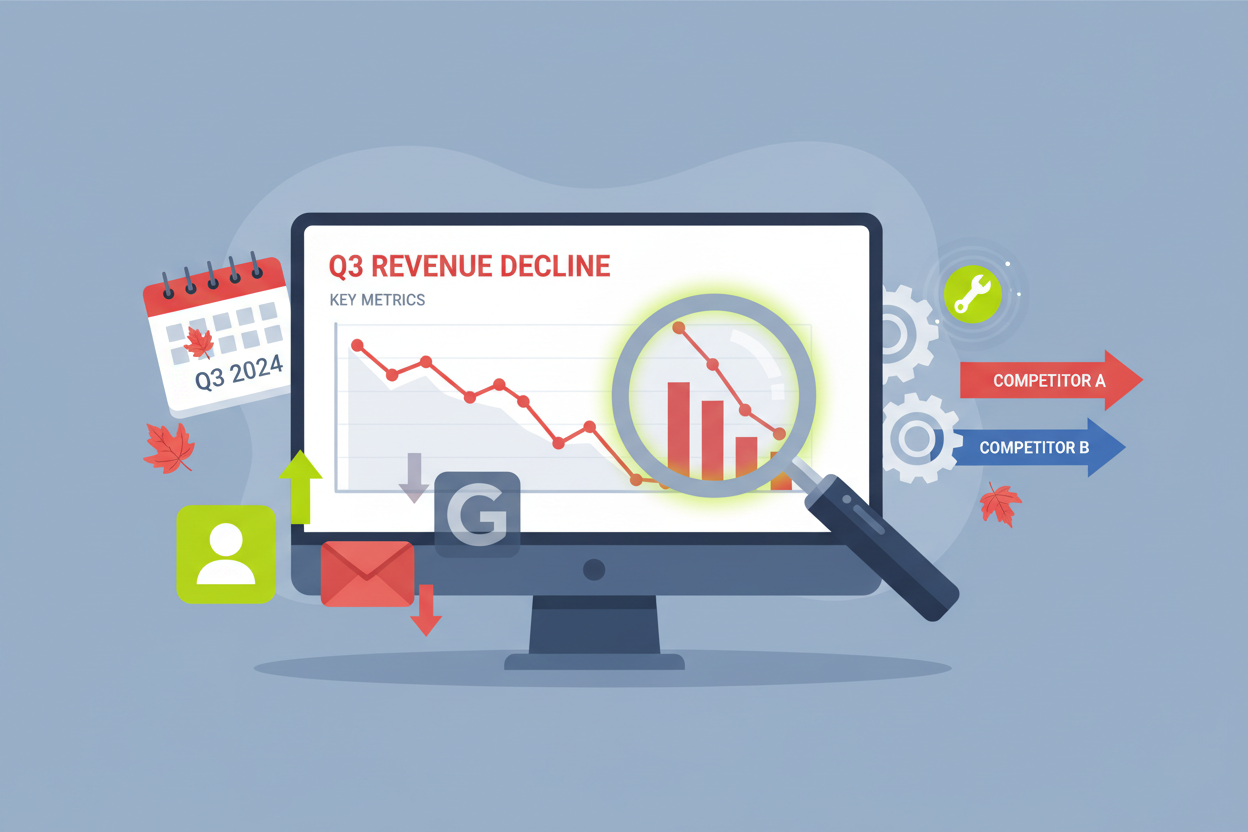
The beauty of modern analytics lies in its accessibility. Gone are the days when only large corporations could afford sophisticated tracking systems. Today’s affiliate marketers have access to powerful tools that can provide insights previously available only to enterprise-level businesses.
Essential Analytics Tools for Affiliate Marketers 🛠️
Selecting the right analytics tools is crucial for your affiliate marketing success. Google Analytics remains the gold standard for website analytics, offering comprehensive insights into user behavior, traffic sources, and conversion tracking. Its free tier provides more than enough functionality for most affiliate marketers.
For affiliate-specific tracking, platforms like ClickMeter, Voluum, or RedTrack offer advanced features such as link rotation, split testing, and detailed campaign analytics. These tools excel at tracking multiple affiliate networks and providing granular data about your promotional efforts.
Social media analytics shouldn’t be overlooked either. Native analytics from platforms like Facebook Insights, Twitter Analytics, and YouTube Analytics provide valuable data about your content performance and audience engagement. Third-party tools like Hootsuite or Buffer can consolidate this data for easier analysis.
Email marketing platforms such as ConvertKit, Mailchimp, or AWeber come with built-in analytics that track open rates, click-through rates, and conversion attribution. Since email marketing often drives significant affiliate revenue, these metrics are invaluable for optimization.
Key Performance Indicators That Matter Most 📈
Not all metrics are created equal in affiliate marketing. Focusing on vanity metrics like page views or social media followers can lead you astray. Instead, concentrate on KPIs that directly impact your bottom line.
Conversion rate stands as the most critical metric. This tells you what percentage of your traffic actually takes the desired action – whether that’s making a purchase, signing up for a service, or downloading an app. A 1% improvement in conversion rate can dramatically impact your earnings.
Earnings per click (EPC) provides insight into the monetary value of each visitor you send to an affiliate offer. This metric helps you compare the effectiveness of different traffic sources and promotional methods. High EPC indicates that your traffic quality aligns well with the offer.
Customer lifetime value (CLV) becomes increasingly important as you build relationships with your audience. Understanding how much revenue a typical customer generates over time helps you determine how much you can afford to spend on acquisition.
Return on advertising spend (ROAS) is essential if you’re investing in paid traffic. This metric ensures your advertising investments generate positive returns and helps you optimize your budget allocation across different channels.
Tracking and Analyzing Traffic Sources 🚦
Understanding where your traffic comes from and how different sources perform is fundamental to scaling your affiliate marketing efforts. Each traffic source behaves differently and requires tailored optimization strategies.
Organic search traffic often converts well because users are actively seeking solutions to their problems. Analyzing which keywords drive your best-converting traffic helps you create more targeted content and optimize for search engines more effectively.
Social media traffic tends to be more exploratory and may require more nurturing before conversion. Track which platforms drive the highest engagement and conversion rates. You might discover that LinkedIn generates fewer clicks than Instagram but converts at a much higher rate.
Email traffic typically shows high conversion rates because subscribers have already expressed interest in your content. Monitor which email campaigns drive the most affiliate revenue and analyze the characteristics of high-performing messages.
Paid traffic provides immediate results but requires careful monitoring to ensure profitability. Track cost per acquisition across different advertising platforms and optimize your campaigns based on performance data rather than assumptions.
Conversion Rate Optimization Through Data Analysis 🎪
Analytics reveals the story behind your conversion rates, but the real magic happens when you use this data to make improvements. Start by identifying your highest and lowest converting pages, then dig deeper to understand why these differences exist.
Heatmap tools like Hotjar or Crazy Egg show exactly how users interact with your pages. You might discover that users aren’t scrolling far enough to see your affiliate links or that certain page elements are distracting from your call-to-action.
A/B testing different elements of your affiliate promotions provides concrete data about what resonates with your audience. Test headlines, button colors, placement of affiliate links, and even the tone of your promotional copy. Small changes can yield significant improvements in conversion rates.
Page load speed significantly impacts conversion rates. Analytics tools can identify slow-loading pages that might be hurting your affiliate commissions. Even a one-second improvement in load time can boost conversions by up to 7%.
Mobile optimization deserves special attention since mobile traffic continues to grow. Analyze how mobile users interact with your content differently than desktop users and optimize accordingly.
Competitor Analysis and Market Intelligence 🕵️
Analytics isn’t just about your own performance – understanding your competitive landscape provides valuable insights for strategy development. Tools like SEMrush, Ahrefs, or SimilarWeb reveal competitor traffic patterns, top-performing content, and keyword strategies.
Analyze which affiliate products your competitors promote most heavily. This intelligence helps you identify trending products and potential opportunities in your niche. However, don’t simply copy competitors – use this information to find gaps in the market or unique angles for promotion.
Social media monitoring tools can track competitor mentions and engagement rates. Understanding what content resonates with their audience provides inspiration for your own content strategy while helping you identify potential partnership opportunities.
Backlink analysis reveals which websites link to your competitors and why. This information can guide your outreach efforts and help you build relationships with relevant websites in your niche.
Advanced Analytics Strategies for Scaling Success 🚀
As your affiliate marketing business grows, basic analytics may not provide sufficient insights for optimization. Advanced strategies help you uncover deeper patterns and opportunities for growth.
Cohort analysis tracks groups of users over time to understand long-term behavior patterns. This analysis reveals which traffic sources provide the most valuable long-term customers and helps you allocate resources more effectively.
Attribution modeling becomes crucial when users interact with your content multiple times before converting. Understanding the complete customer journey helps you optimize touchpoints throughout the funnel rather than focusing solely on the last click.
Predictive analytics uses historical data to forecast future performance. Machine learning algorithms can identify patterns that humans might miss and predict which leads are most likely to convert or which content will perform best.
Custom dashboard creation consolidates your most important metrics into a single view. This saves time and ensures you’re monitoring the right indicators for your business goals.
Common Analytics Mistakes to Avoid ⚠️
Even experienced marketers fall into analytics traps that can mislead decision-making. One common mistake is focusing too heavily on short-term metrics without considering long-term trends. A temporary spike in traffic might look impressive, but sustainable growth requires consistent performance over time.
Another frequent error is not properly setting up conversion tracking from the beginning. This oversight makes it impossible to accurately measure ROI and optimize campaigns effectively. Always implement comprehensive tracking before launching new initiatives.
Data silos create incomplete pictures of performance. When analytics tools don’t communicate with each other, you might miss important connections between different aspects of your marketing funnel.
Correlation versus causation confusion leads to poor strategic decisions. Just because two metrics move together doesn’t mean one causes the other. Always dig deeper to understand the true relationships between variables.
Future-Proofing Your Analytics Strategy 🔮
The analytics landscape continues evolving rapidly, with privacy regulations and technological advances changing how we collect and analyze data. Preparing for these changes ensures your affiliate marketing strategy remains effective long-term.
First-party data collection becomes increasingly important as third-party cookies phase out. Building direct relationships with your audience through email lists, memberships, or apps provides more reliable data for optimization.
Privacy-focused analytics solutions like Plausible or Fathom Analytics offer alternatives to traditional tracking methods while respecting user privacy. These tools may become essential as privacy regulations tighten.
Artificial intelligence and machine learning integration will automate many analytics tasks currently done manually. Staying informed about these developments helps you leverage new capabilities as they become available.
Frequently Asked Questions ❓
How often should I review my affiliate marketing analytics?
Review your analytics weekly for tactical adjustments and monthly for strategic decisions. Daily monitoring might be necessary during campaign launches or major promotions, but avoid making hasty decisions based on short-term fluctuations.
What’s the minimum amount of data needed to make reliable decisions?
Generally, you need at least 100 conversions or 30 days of data to identify meaningful patterns. However, this varies depending on your traffic volume and conversion rates. Statistical significance calculators can help determine when you have enough data for confident decision-making.
Should I track every possible metric in my affiliate marketing campaigns?
No, focus on metrics that directly impact your goals. Tracking too many metrics can lead to analysis paralysis. Start with 5-7 key performance indicators and expand gradually as you become more sophisticated in your analysis.
How do I attribute conversions when customers interact with multiple touchpoints?
Use attribution modeling in Google Analytics or dedicated attribution tools. First-click attribution shows what initially attracts customers, while last-click shows what closes the sale. Multi-touch attribution provides the most comprehensive view of the customer journey.
What should I do if my analytics show declining performance?
First, verify that your tracking is working correctly. Then analyze whether the decline affects all traffic sources or specific segments. Look for external factors like seasonal changes, algorithm updates, or increased competition that might explain the trend.
How can I improve my conversion tracking accuracy?
Implement server-side tracking when possible, use UTM parameters consistently, set up goal funnels to identify drop-off points, and regularly audit your tracking setup. Cross-reference data between different analytics platforms to identify discrepancies.
Conclusion: Your Analytics-Driven Success Story Starts Now 🌟
Analytics transforms affiliate marketing from guesswork into a strategic, data-driven business. By implementing the strategies and tools discussed in this guide, you’re positioning yourself for sustainable success in an increasingly competitive landscape.
Remember, the goal isn’t to become a data scientist overnight. Start with basic tracking and gradually incorporate more sophisticated analytics as your business grows. The key is consistency – regularly reviewing your data, testing new approaches, and optimizing based on what the numbers tell you.
Your analytics journey is unique to your business, audience, and goals. What works for others might not work for you, which is why having your own data is so powerful. Trust the insights your analytics provide, but don’t forget the human element that makes affiliate marketing successful.
The affiliate marketers who thrive in the coming years will be those who master the art and science of analytics. By starting today, you’re investing in skills and systems that will compound over time, leading to better decisions, higher conversions, and ultimately, greater success in your affiliate marketing endeavors.
Take action now – audit your current analytics setup, identify gaps in your tracking, and implement at least one new insight from this guide. Your future self will thank you for the data-driven foundation you build today. 💪
Number 1 Money earning platform
Hit the button to check our number one recommended product






0 Comments