
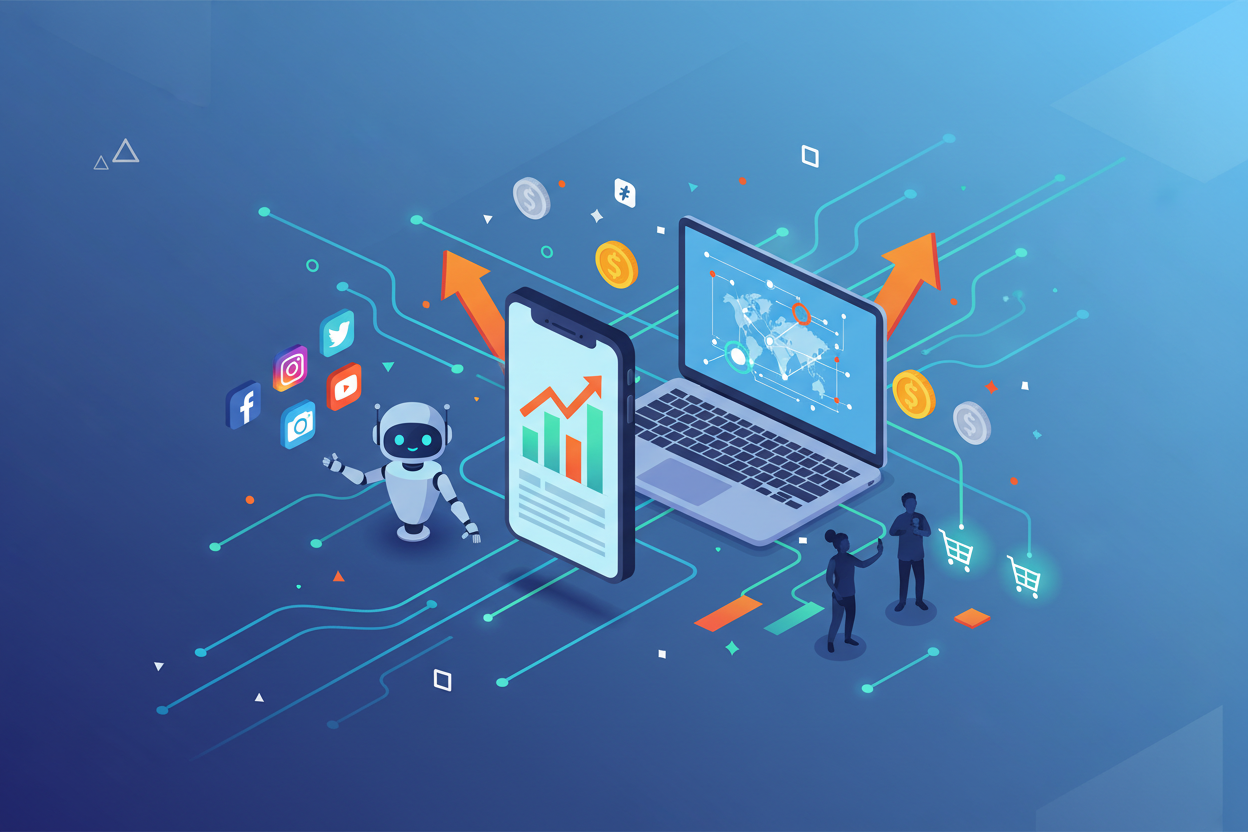
Top Trends in Affiliate Marketing for 2024: What Every Marketer Needs to Know 🚀
Table of Contents
• Introduction: The Evolution of Affiliate Marketing
• AI-Powered Affiliate Marketing Tools
• The Rise of Micro and Nano-Influencers
• Video Content Dominance in Affiliate Campaigns
• Mobile-First Affiliate Marketing Strategies
• Privacy-First Marketing and Cookie Alternatives
• Subscription-Based Affiliate Programs
• Cross-Channel Attribution and Advanced Analytics
• Sustainable and Ethical Affiliate Marketing
• Conclusion: Preparing for the Future
• Frequently Asked Questions
Introduction: The Evolution of Affiliate Marketing 📈
Affiliate marketing has come a long way since its humble beginnings in the late 1990s. What started as a simple referral system has evolved into a sophisticated, multi-billion dollar industry that’s constantly adapting to new technologies, consumer behaviors, and market demands. As we navigate through 2024, the landscape is shifting faster than ever before.
I’ve been watching this industry transform over the years, and honestly, the pace of change is both exciting and overwhelming. From my conversations with fellow marketers and industry leaders, it’s clear that staying ahead of the curve isn’t just beneficial—it’s essential for survival in today’s competitive marketplace.
The affiliate marketing industry is projected to reach $15.7 billion by the end of 2024, representing a significant growth from previous years. This growth isn’t just about more people joining the space; it’s about smarter strategies, better technology, and more sophisticated approaches to connecting brands with their ideal customers.

AI-Powered Affiliate Marketing Tools 🤖
Artificial intelligence isn’t just a buzzword anymore—it’s revolutionizing how we approach affiliate marketing. The integration of AI tools has become one of the most significant trends I’ve observed this year, and for good reason.
AI-powered platforms are now capable of analyzing vast amounts of data to identify the most profitable partnerships, optimize commission structures, and even predict which affiliates are likely to drive the highest conversions. Machine learning algorithms can process consumer behavior patterns, seasonal trends, and market fluctuations to provide insights that would take human analysts weeks to uncover.
What’s particularly exciting is how AI is personalizing the affiliate experience. Smart recommendation engines can now match brands with affiliates based on audience overlap, content style, and historical performance data. This means less time spent on manual outreach and more time focused on building meaningful partnerships.
Content creation has also been transformed by AI tools. From generating product descriptions to creating social media posts, AI assistants are helping affiliates scale their content production while maintaining quality and relevance. However, I always remind marketers that AI should enhance human creativity, not replace it entirely.
The Rise of Micro and Nano-Influencers 👥
While mega-influencers dominated the affiliate marketing scene for years, 2024 has seen a dramatic shift toward micro-influencers (10K-100K followers) and nano-influencers (1K-10K followers). This trend reflects a broader consumer preference for authenticity and genuine connections over celebrity endorsements.
The numbers speak for themselves: micro-influencers typically achieve engagement rates of 3-5%, significantly higher than macro-influencers who often see rates below 2%. More importantly, their audiences tend to be highly engaged and trust their recommendations more readily.
From a cost perspective, working with multiple micro-influencers often provides better ROI than partnering with a single high-profile influencer. Brands can diversify their risk while reaching niche audiences that align perfectly with their target demographics.
I’ve seen brands successfully build entire affiliate programs around nano-influencers, particularly in specialized niches like sustainable fashion, local food scenes, or specific hobby communities. These partnerships feel more like genuine recommendations from friends rather than obvious advertising, which resonates strongly with today’s skeptical consumers.
Video Content Dominance in Affiliate Campaigns 📹
Video content has officially taken the crown as the most effective medium for affiliate marketing in 2024. Whether it’s short-form content on TikTok and Instagram Reels, long-form YouTube reviews, or live streaming demonstrations, video is driving unprecedented engagement and conversion rates.
The beauty of video content lies in its ability to showcase products in action. Unboxing videos, tutorials, and behind-the-scenes content create emotional connections that static images and text simply can’t match. Consumers can see exactly how products work, understand their benefits, and visualize themselves using them.
Live streaming has emerged as a particularly powerful tool for affiliate marketers. The real-time interaction, ability to answer questions immediately, and sense of urgency created by limited-time offers during live sessions have proven incredibly effective for driving immediate conversions.
What’s interesting is how different platforms are optimizing for video content. TikTok’s algorithm heavily favors video content, Instagram continues to push Reels, and even traditionally text-based platforms like LinkedIn are seeing increased engagement with video posts. Smart affiliate marketers are adapting their strategies to leverage these platform preferences.
Mobile-First Affiliate Marketing Strategies 📱
With mobile commerce accounting for over 70% of all e-commerce transactions in 2024, adopting a mobile-first approach isn’t optional—it’s mandatory. The most successful affiliate campaigns I’ve seen this year have been designed specifically for mobile consumption from the ground up.
This means more than just responsive design. Mobile-first affiliate marketing involves understanding how people interact with content on their phones: shorter attention spans, thumb-friendly navigation, and the importance of instant loading times. Successful affiliates are creating content specifically formatted for mobile consumption, using vertical video formats, and ensuring their affiliate links work seamlessly across all mobile platforms.
App-based affiliate programs are also gaining traction. Many brands are developing dedicated mobile apps with built-in affiliate tracking, allowing for more sophisticated attribution and a smoother user experience. Push notifications, location-based offers, and in-app exclusive deals are becoming standard features in mobile affiliate strategies.
The integration of mobile payment solutions like Apple Pay, Google Pay, and various digital wallets has reduced friction in the purchase process, leading to higher conversion rates for mobile affiliate traffic.
Privacy-First Marketing and Cookie Alternatives 🔒
The gradual phase-out of third-party cookies has forced the affiliate marketing industry to evolve rapidly. Privacy regulations like GDPR and CCPA, combined with browser changes and consumer privacy concerns, have made traditional tracking methods less reliable.
First-party data has become the gold standard for affiliate marketers in 2024. Brands are investing heavily in building direct relationships with their customers, collecting data through newsletters, loyalty programs, and interactive content. This shift has actually strengthened many affiliate partnerships, as brands now value affiliates who can provide high-quality, engaged audiences.
Server-side tracking and cookieless attribution models are becoming mainstream. These technologies allow for accurate performance measurement while respecting user privacy preferences. Many affiliate networks have invested significantly in developing these solutions, ensuring that performance tracking remains robust in a privacy-first world.
Contextual advertising is making a comeback as well. Instead of relying on user behavior tracking, affiliates are focusing on content relevance and contextual placement, which often results in better audience alignment and higher conversion rates.
Subscription-Based Affiliate Programs 💰
The subscription economy’s continued growth has created new opportunities for affiliate marketers. Subscription-based affiliate programs offer recurring commissions, providing affiliates with more predictable income streams and incentivizing long-term customer value over one-time sales.
What makes subscription affiliate programs particularly attractive is the compound effect of successful referrals. A single customer acquisition can generate months or years of commission payments, making the lifetime value of each referral significantly higher than traditional one-time purchase programs.
Software-as-a-Service (SaaS) companies have been pioneers in this space, but we’re now seeing subscription models expand into various industries including meal kits, beauty products, fitness programs, and educational content. The key for affiliates is understanding the customer journey and providing ongoing value that reduces churn rates.
Many subscription-based programs are also offering tiered commission structures, where affiliates earn higher percentages as their referred customers remain subscribed for longer periods. This aligns affiliate incentives with brand objectives and encourages affiliates to focus on quality referrals rather than quantity.
Cross-Channel Attribution and Advanced Analytics 📊
Understanding the customer journey has become incredibly complex as consumers interact with brands across multiple touchpoints before making a purchase. Advanced attribution modeling has become essential for accurately measuring affiliate performance and optimizing campaigns.
Multi-touch attribution models are replacing last-click attribution as the industry standard. These models recognize that affiliate marketing often plays a crucial role in the awareness and consideration stages of the customer journey, not just the final conversion moment.
Predictive analytics are helping affiliate marketers identify high-value prospects earlier in the funnel. By analyzing historical data patterns, machine learning algorithms can predict which leads are most likely to convert, allowing affiliates to focus their efforts more effectively.
Real-time reporting and dashboard analytics have become table stakes for serious affiliate marketers. The ability to adjust campaigns based on immediate performance data, rather than waiting for weekly or monthly reports, can significantly impact overall campaign success.
Sustainable and Ethical Affiliate Marketing 🌱
Consumer consciousness around sustainability and ethical business practices has reached new heights in 2024, and affiliate marketing is adapting accordingly. Brands are increasingly partnering with affiliates who align with their values and can authentically promote sustainable products and practices.
Transparency has become a competitive advantage rather than just a regulatory requirement. Successful affiliates are going beyond basic FTC disclosure requirements, openly discussing their partnership relationships and providing honest, balanced reviews that acknowledge both pros and cons of products.
Environmental and social impact are becoming key factors in affiliate program selection. Many affiliates are choosing to work exclusively with brands that demonstrate genuine commitment to sustainability, fair labor practices, and social responsibility.
The concept of “conscious commerce” is reshaping affiliate marketing strategies. This involves promoting products that align with consumers’ values and lifestyle choices, rather than simply focusing on the highest commission rates.
Conclusion: Preparing for the Future 🔮
As we progress through 2024, it’s clear that affiliate marketing is becoming more sophisticated, more personalized, and more aligned with broader digital marketing trends. The most successful marketers are those who embrace change, invest in new technologies, and maintain focus on providing genuine value to their audiences.
The trends we’ve discussed aren’t just passing fads—they represent fundamental shifts in how consumers discover, evaluate, and purchase products online. AI will continue to enhance our capabilities, video content will become even more dominant, and privacy-first approaches will become the norm rather than the exception.
For affiliate marketers looking to thrive in this evolving landscape, my advice is simple: stay curious, keep experimenting, and never lose sight of the human element that makes affiliate marketing so powerful. Technology may change how we operate, but the core principle of building trust and providing value to your audience remains constant.
The future of affiliate marketing is bright, and those who adapt to these trends while maintaining authenticity and ethical practices will find themselves well-positioned for continued success.
Frequently Asked Questions ❓
Q: How can small affiliate marketers compete with AI-powered tools if they have limited budgets?
A: Many AI tools offer free or low-cost tiers that provide substantial value. Focus on free tools like Google Analytics 4’s AI insights, and gradually invest in paid tools as your affiliate income grows. Remember, creativity and authenticity often outperform expensive tools.
Q: Is it too late to start working with micro-influencers if I’m just beginning in affiliate marketing?
A: Not at all! Micro-influencers are often more accessible and willing to work with new affiliate marketers. Start by engaging genuinely with their content and building relationships before proposing partnerships.
Q: How do I ensure compliance with privacy regulations while still tracking affiliate performance?
A: Focus on first-party data collection, implement proper consent mechanisms, and work with affiliate networks that offer privacy-compliant tracking solutions. Always prioritize transparency with your audience about data collection practices.
Q: What’s the best way to transition from traditional affiliate marketing to video content?
A: Start small with simple product reviews or unboxing videos using your smartphone. Focus on providing value and being authentic rather than perfect production quality. Gradually improve your equipment and skills as you gain confidence and audience.
Q: How do I choose between one-time commission programs and subscription-based affiliate programs?
A: Consider your audience’s needs and preferences. Subscription programs offer long-term income potential but require ongoing relationship management. Diversifying across both types can provide income stability while maximizing opportunities.
Number 1 Money earning platform
Hit the button to check our number one recommended product




0 Comments