
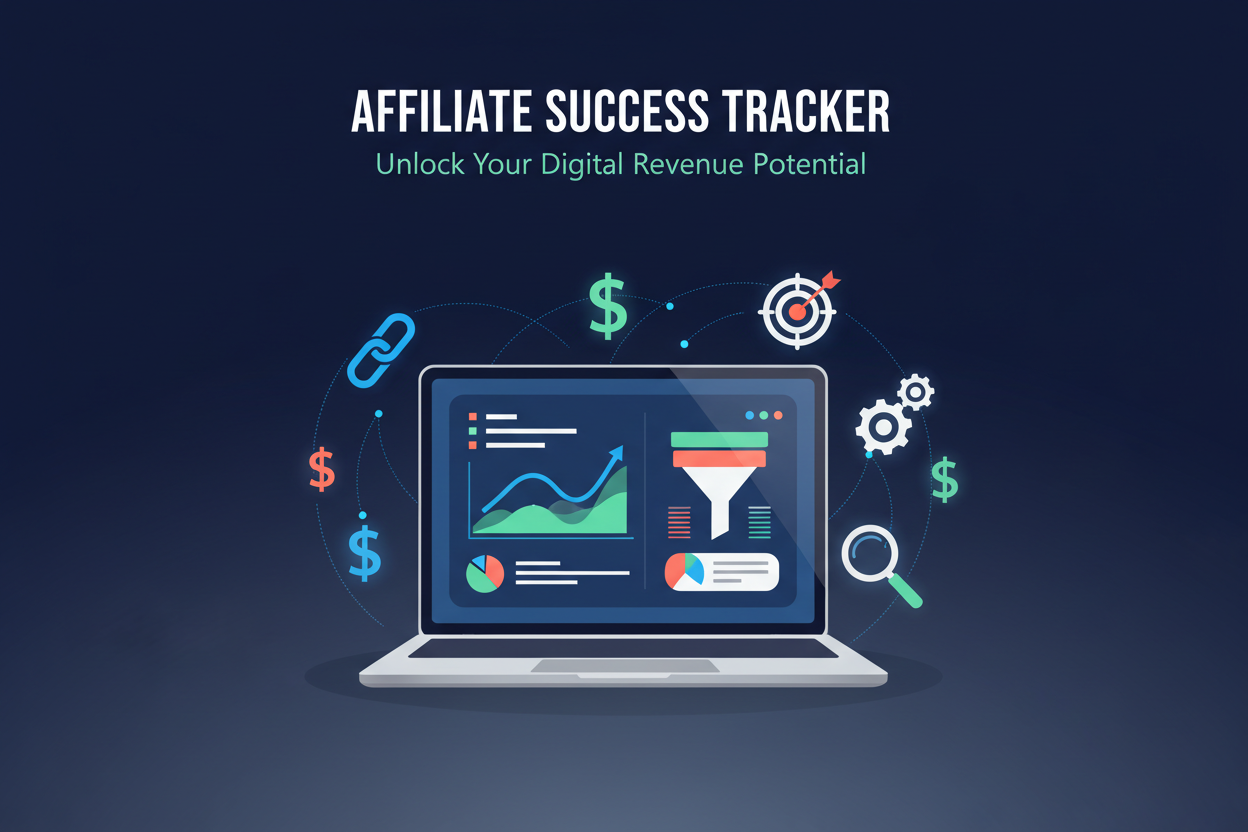
Top Tools for Accurate Affiliate Link Tracking: Maximize Your Marketing ROI in 2024
Table of Contents
📊 Introduction: Why Affiliate Link Tracking Matters
🔗 Understanding Affiliate Link Tracking Basics
⭐ Top 8 Affiliate Link Tracking Tools
💡 Key Features to Look For
📈 How to Choose the Right Tool for Your Business
🚀 Implementation Best Practices
❓ Frequently Asked Questions
🎯 Conclusion: Start Tracking for Success
Introduction: Why Affiliate Link Tracking Matters 📊
If you’ve ever felt like you’re shooting arrows in the dark with your affiliate marketing campaigns, you’re not alone. I remember when I first started affiliate marketing – I was promoting products left and right, but had absolutely no idea which efforts were actually paying off. It was frustrating, to say the least!

That’s where accurate affiliate link tracking becomes your best friend. Think of it as your marketing GPS – without it, you’re just wandering around hoping to stumble upon success. With proper tracking, you can see exactly which campaigns are driving conversions, which traffic sources are most valuable, and where you should focus your energy for maximum ROI.
In today’s competitive affiliate marketing landscape, flying blind simply isn’t an option. Whether you’re a seasoned marketer managing dozens of campaigns or a newcomer trying to make your first commission, having the right tracking tools can make the difference between profitable campaigns and wasted ad spend.
Understanding Affiliate Link Tracking Basics 🔗
Before we dive into the tools themselves, let’s get clear on what affiliate link tracking actually does. At its core, affiliate link tracking monitors the journey from when someone clicks your affiliate link to when they complete a desired action – usually making a purchase.
But modern tracking goes far beyond simple click-to-conversion data. Today’s sophisticated tools can track multiple touchpoints, attribute conversions across different devices, and provide insights into customer behavior patterns that can transform your marketing strategy.
The challenge many marketers face is that most affiliate networks provide basic tracking, but it’s often limited and doesn’t give you the granular control you need to optimize effectively. That’s why investing in dedicated tracking software has become essential for serious affiliate marketers.
Top 8 Affiliate Link Tracking Tools for Maximum Accuracy ⭐
1. ClickMagick: The All-in-One Tracking Powerhouse
ClickMagick has earned its reputation as one of the most comprehensive tracking solutions available. What sets it apart is its ability to track across multiple devices and browsers, giving you a complete picture of your customer’s journey.
The platform excels at bot filtering – a crucial feature that ensures your data isn’t skewed by fake traffic. I’ve personally seen campaigns where up to 30% of clicks were from bots, and ClickMagick’s filtering helped reveal the true performance metrics.
Key features include real-time tracking, conversion attribution, split testing capabilities, and detailed analytics dashboards. The learning curve is moderate, but the comprehensive documentation and support make it accessible for marketers at all levels.
2. Voluum: Enterprise-Level Performance Tracking
Voluum is the go-to choice for high-volume affiliate marketers who need enterprise-grade tracking capabilities. If you’re running campaigns with millions of clicks per month, Voluum’s infrastructure can handle the load without breaking a sweat.
What I love about Voluum is its advanced attribution models. You can set up custom attribution windows, track post-view conversions, and even handle complex multi-step funnels with ease. The AI-powered optimization features can automatically pause underperforming campaigns and scale winning ones.
The platform integrates seamlessly with major traffic sources and affiliate networks, making campaign setup straightforward even for complex multi-channel campaigns.
3. RedTrack: User-Friendly Yet Powerful
RedTrack strikes an excellent balance between functionality and ease of use. It’s particularly popular among marketers who want professional-grade tracking without the steep learning curve that comes with some enterprise solutions.
The platform’s strength lies in its intuitive interface and robust reporting capabilities. You can create custom reports, set up automated rules for campaign optimization, and even integrate with popular business intelligence tools for deeper analysis.
RedTrack also offers excellent customer support, which can be invaluable when you’re setting up complex tracking scenarios or troubleshooting attribution issues.
4. BeMob: Cost-Effective Professional Tracking
BeMob has quickly gained popularity among performance marketers looking for professional tracking features at a more accessible price point. Despite being relatively new to the market, it offers many of the same features you’d find in more expensive solutions.
The platform excels at mobile tracking, which is crucial given that mobile traffic now dominates most verticals. BeMob’s anti-fraud technology is particularly impressive, helping you identify and filter out low-quality traffic sources.
One standout feature is their collaborative workspace functionality, which makes it easy for teams to work together on campaigns while maintaining proper access controls and data security.
5. ThriveTracker: Built by Affiliates, for Affiliates
ThriveTracker was created by affiliate marketers who understood the pain points of existing tracking solutions. This background shows in the platform’s design – everything feels intuitive because it was built by people who actually use these tools daily.
The platform offers excellent value for money, with no restrictions on the number of domains or campaigns you can track. The real-time reporting is lightning-fast, and the split testing features are particularly robust.
ThriveTracker also includes built-in landing page hosting and optimization tools, making it a more comprehensive solution for affiliates who want to manage their entire funnel in one place.
6. FunnelFlux: Advanced Funnel Analytics
FunnelFlux takes a unique approach to tracking by focusing heavily on funnel visualization and optimization. If you’re running complex multi-step funnels or want to understand exactly how traffic flows through your campaigns, FunnelFlux excels in this area.
The platform’s visual funnel builder makes it easy to map out complex customer journeys and identify bottlenecks in your conversion process. The advanced segmentation capabilities allow you to analyze performance across dozens of different dimensions.
While it has a steeper learning curve than some alternatives, the insights you can gain from FunnelFlux’s advanced analytics often justify the investment in time and money.
7. LinkTrackr: Simple Yet Effective
Sometimes you don’t need all the bells and whistles – you just need reliable, accurate tracking that works consistently. LinkTrackr fills this niche perfectly, offering straightforward link tracking without unnecessary complexity.
The platform is particularly popular among content marketers and bloggers who need to track affiliate links but don’t require the advanced features of enterprise-level solutions. Setup is quick, and the reporting is clear and actionable.
LinkTrackr also offers excellent uptime reliability, which is crucial for maintaining accurate tracking data across all your campaigns.
8. CPVLab: Self-Hosted Tracking Solution
For marketers who prefer complete control over their tracking data, CPVLab offers a self-hosted solution that you install on your own servers. This approach provides maximum data privacy and customization options.
The platform is particularly popular among experienced marketers who have specific tracking requirements that cloud-based solutions can’t accommodate. While setup is more complex, the level of control and customization available is unmatched.
CPVLab also offers a one-time purchase option rather than monthly subscriptions, which can be cost-effective for long-term users.
Key Features to Look For in Affiliate Tracking Tools 💡
When evaluating affiliate tracking tools, certain features are non-negotiable for accurate tracking and optimization. Here’s what you should prioritize:
Real-Time Data Processing: Your tracking tool should provide near-instantaneous data updates. When you’re running paid traffic campaigns, waiting hours for data updates can cost you serious money if a campaign goes sideways.
Cross-Device Tracking: Modern consumers switch between devices constantly. Your tracking solution needs to connect the dots when someone clicks your ad on mobile but converts on desktop later.
Bot and Fraud Detection: Invalid traffic can seriously skew your data and waste your budget. Look for tools with robust fraud detection and filtering capabilities.
Custom Attribution Windows: Different products have different sales cycles. Your tracking tool should allow you to set custom attribution windows that match your business model.
API Integration Capabilities: The ability to integrate with your existing tools and platforms is crucial for creating a seamless workflow and avoiding data silos.
Detailed Reporting and Analytics: Beyond basic conversion tracking, you need insights into traffic quality, conversion paths, and optimization opportunities.
How to Choose the Right Tool for Your Business 📈
Selecting the perfect tracking tool isn’t just about features – it’s about finding the right fit for your specific needs, budget, and technical expertise. Here’s how to approach this decision:
Assess Your Volume: If you’re processing millions of clicks per month, you need enterprise-grade infrastructure. For smaller campaigns, simpler solutions might be more cost-effective.
Consider Your Technical Skills: Some tools require significant technical setup and maintenance. Be honest about your team’s capabilities and available time for implementation.
Evaluate Integration Requirements: Make a list of all the tools and platforms you currently use. Your tracking solution should integrate smoothly with your existing tech stack.
Think About Scalability: Choose a tool that can grow with your business. Switching tracking platforms later is painful and can result in data loss.
Budget for the Total Cost: Don’t just look at monthly subscription fees. Consider setup time, training costs, and any additional features you might need.
Implementation Best Practices for Accurate Tracking 🚀
Having the right tool is only half the battle – proper implementation is crucial for accurate tracking. Here are the best practices I’ve learned through years of campaign management:
Start with Proper Campaign Structure: Organize your campaigns logically from day one. Use consistent naming conventions and create a clear hierarchy that makes sense for your business.
Test Everything Before Going Live: Always test your tracking setup with small amounts of traffic before launching major campaigns. A small tracking error can invalidate weeks of data.
Set Up Backup Tracking: Don’t rely on a single tracking method. Use multiple tracking pixels and postback URLs when possible to ensure data accuracy.
Monitor Data Quality Regularly: Set up alerts for unusual traffic patterns or conversion rate changes. Quick detection of tracking issues can save you from making decisions based on bad data.
Document Your Setup: Keep detailed records of your tracking configuration. This documentation becomes invaluable when troubleshooting issues or onboarding new team members.
Frequently Asked Questions ❓
Q: How much should I expect to pay for professional affiliate tracking?
A: Professional tracking tools typically range from $99 to $500+ per month, depending on your traffic volume and feature requirements. While this might seem expensive, the ROI from better optimization usually justifies the cost quickly.
Q: Can I use Google Analytics instead of dedicated affiliate tracking tools?
A: Google Analytics is great for website analytics, but it’s not designed for affiliate marketing tracking. You’ll miss crucial features like click-level tracking, advanced attribution, and fraud detection that are essential for profitable affiliate campaigns.
Q: How accurate is affiliate link tracking typically?
A: With proper setup, modern tracking tools can achieve 90-95% accuracy. The remaining discrepancies usually come from technical limitations like ad blockers, privacy settings, or cross-device tracking challenges.
Q: Do I need different tracking for mobile vs desktop traffic?
A: Most modern tracking platforms handle both mobile and desktop traffic automatically. However, you should set up separate tracking parameters to analyze performance differences between devices.
Q: How long should I keep tracking data?
A: Keep at least 12 months of detailed tracking data for trend analysis and seasonal optimization. Some platforms automatically archive older data, so check your tool’s data retention policies.
Q: What’s the difference between first-click and last-click attribution?
A: First-click attribution gives credit to the first touchpoint in a customer’s journey, while last-click credits the final interaction before conversion. Most affiliate marketers use last-click, but understanding the full customer journey often requires more sophisticated attribution models.
Conclusion: Start Tracking for Success 🎯
Accurate affiliate link tracking isn’t just a nice-to-have feature – it’s the foundation of profitable affiliate marketing. Without proper tracking, you’re essentially gambling with your marketing budget, hoping that your gut feelings about campaign performance are correct.
The tools we’ve covered in this guide represent the best options available today, each with their own strengths and ideal use cases. Whether you choose ClickMagick for its comprehensive features, Voluum for enterprise-scale campaigns, or one of the other excellent options, the key is to start tracking properly as soon as possible.
Remember, the best tracking tool is the one you’ll actually use consistently. Don’t get caught up in feature comparisons to the point of analysis paralysis. Pick a tool that fits your current needs and budget, implement it properly, and start optimizing based on real data rather than guesswork.
Your future self will thank you when you can confidently scale winning campaigns and quickly identify underperformers. In the fast-paced world of affiliate marketing, accurate tracking isn’t just an advantage – it’s your competitive edge. Start implementing proper tracking today, and watch your affiliate marketing ROI soar! 🚀
Number 1 Money earning platform
Hit the button to check our number one recommended product





0 Comments