
SEO Techniques Every Affiliate Marketer Should Master 🚀
Table of Contents
1. Introduction: Why SEO Matters for Affiliate Marketing
2. Keyword Research: The Foundation of Affiliate SEO
3. On-Page Optimization for Affiliate Sites
4. Content Creation Strategies That Convert
5. Link Building for Affiliate Marketers
6. Technical SEO Essentials
7. Local SEO for Affiliate Marketing
8. Measuring and Tracking Your SEO Success
9. Conclusion
10. Frequently Asked Questions
Introduction: Why SEO Matters for Affiliate Marketing 📈
Picture this: you’ve built the perfect affiliate website, chosen high-converting products, and crafted compelling content. But there’s one problem – nobody can find your site. This scenario plays out thousands of times across the internet, where talented affiliate marketers struggle to gain visibility in an increasingly crowded digital landscape.
Search Engine Optimization (SEO) isn’t just a nice-to-have skill for affiliate marketers; it’s absolutely essential. Unlike paid advertising, which stops driving traffic the moment you stop paying, SEO creates a sustainable foundation for long-term success. When done correctly, it can generate consistent, high-quality organic traffic that converts into affiliate commissions month after month.
The beauty of mastering SEO as an affiliate marketer lies in its compounding effect. Every piece of optimized content you create has the potential to rank in search engines and drive traffic for years to come. This creates what I like to call “digital real estate” – valuable online assets that work for you 24/7.
Keyword Research: The Foundation of Affiliate SEO 🔍
Successful affiliate marketing begins with understanding what your audience is searching for. Keyword research isn’t just about finding high-volume terms; it’s about discovering the intent behind those searches and matching it with the right affiliate products.
Start by identifying buyer-intent keywords. These are phrases that indicate someone is ready to make a purchase, such as “best wireless headphones 2024,” “iPhone 15 review,” or “affordable running shoes for beginners.” These keywords often have lower search volumes than general terms, but they convert much better because they capture users at the bottom of the sales funnel.
Don’t overlook long-tail keywords either. While “headphones” might seem appealing with its massive search volume, “best noise-canceling headphones for studying” is far more likely to convert. These specific phrases often face less competition and attract highly targeted traffic.
Use tools like Google Keyword Planner, SEMrush, or Ahrefs to uncover keyword opportunities. But here’s a pro tip I’ve learned from years of affiliate marketing: pay attention to the “People Also Ask” section and related searches at the bottom of Google results pages. These goldmines often reveal questions your target audience is asking that you can answer with affiliate content.
On-Page Optimization for Affiliate Sites 🎯
On-page SEO for affiliate marketers requires a delicate balance. You need to optimize for search engines while maintaining the trust and engagement necessary for affiliate conversions. This means your optimization efforts should never compromise user experience or appear overly promotional.
Your title tags should be compelling and include your target keyword, but they should also entice clicks. Instead of a boring “Best Laptops 2024,” try something like “7 Best Laptops That Actually Deliver in 2024 (Tested & Reviewed).” This approach incorporates the keyword while promising value and credibility.
Meta descriptions deserve special attention in affiliate marketing. You have 160 characters to convince someone to click through to your content instead of a competitor’s. Include your keyword naturally, but focus on the benefit to the reader. Mention that you’ve personally tested products or provide unbiased reviews to build trust before the click.
Header structure plays a crucial role in both SEO and user experience. Use H1 tags for your main title, H2 tags for major sections (like product categories), and H3 tags for individual product reviews or features. This hierarchy helps search engines understand your content structure while making it easier for users to scan and find what they’re looking for.
Internal linking is particularly powerful for affiliate sites. Link between related product reviews, comparison posts, and buying guides. This not only helps with SEO but also increases the chances of visitors clicking on multiple affiliate links during their browsing session.
Content Creation Strategies That Convert 📝
Creating content that ranks well and converts visitors into affiliate sales requires understanding the different stages of the buyer’s journey. Not everyone who lands on your site is ready to buy immediately, so your content strategy should cater to various intent levels.
Product comparison posts are absolute goldmines for affiliate marketers. These pieces target high-intent keywords and provide immense value to users trying to make purchasing decisions. When creating comparisons, focus on real differences that matter to buyers, not just technical specifications. Share personal experiences, highlight pros and cons honestly, and always disclose your affiliate relationships transparently.
Tutorial and how-to content can be incredibly effective for building trust and demonstrating product value. For example, if you’re promoting photography equipment, create detailed guides on specific techniques using the gear you’re promoting. This approach positions you as an expert while naturally incorporating affiliate products into valuable content.
Seasonal and trending content can capture traffic surges during peak buying periods. Plan your Black Friday deals content, holiday gift guides, and back-to-school recommendations well in advance. These pieces often see massive traffic spikes and can generate significant affiliate revenue during high-conversion periods.
Remember that Google rewards helpful, people-first content. Your primary goal should always be helping users make informed decisions, with affiliate monetization as a secondary benefit. This approach not only improves your search rankings but also builds the trust necessary for long-term affiliate success.
Link Building for Affiliate Marketers 🔗
Link building for affiliate sites presents unique challenges. Many website owners are hesitant to link to commercial content, and some affiliate networks have restrictions on certain link-building practices. However, with the right approach, you can build a strong backlink profile that boosts your rankings and authority.
Focus on creating linkable assets that provide value beyond affiliate promotions. In-depth industry reports, original research, comprehensive buyer’s guides, and helpful tools or calculators can attract natural backlinks from other websites. For instance, if you’re in the fitness niche, creating a comprehensive study on workout equipment effectiveness could earn links from fitness blogs, magazines, and even equipment manufacturers.
Guest posting remains effective when done strategically. Target websites in your niche that accept guest contributions and pitch genuinely helpful content ideas. Avoid overly promotional pieces; instead, focus on educational content that naturally mentions or relates to your affiliate products. Always follow the host site’s guidelines and maintain high editorial standards.
Building relationships within your niche is invaluable. Engage with other content creators, participate in industry forums, and attend relevant conferences or webinars. These relationships often lead to natural linking opportunities, collaboration possibilities, and valuable insights into your market.
Don’t forget about broken link building. Find broken links on relevant websites and offer your content as a replacement. This technique works particularly well for affiliate marketers because you can often provide updated, more comprehensive alternatives to outdated product information or discontinued resources.
Technical SEO Essentials ⚙️
Technical SEO might seem daunting, but mastering the basics can significantly impact your affiliate site’s performance. Search engines need to crawl, understand, and index your content effectively to rank it properly.
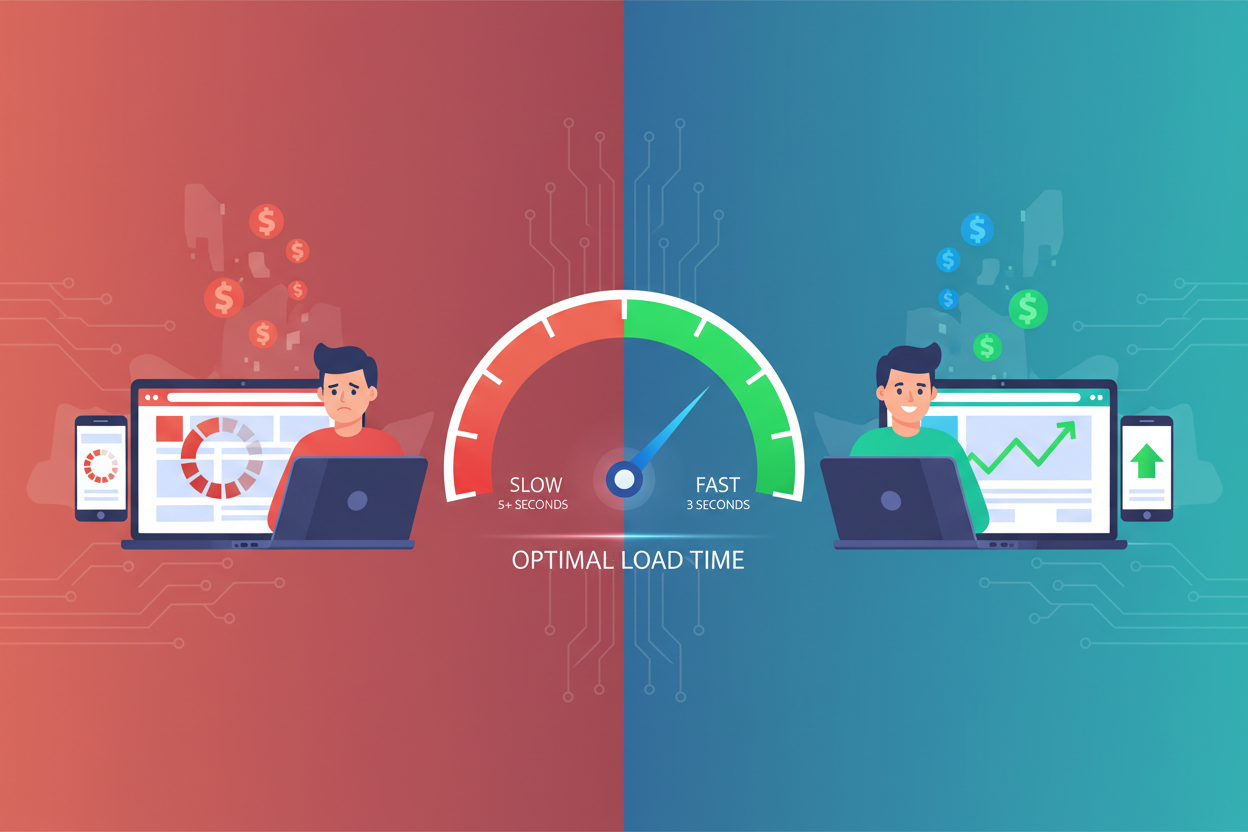
Site speed is crucial for both SEO and affiliate conversions. Slow-loading pages increase bounce rates and decrease the likelihood of affiliate link clicks. Optimize your images, choose reliable hosting, minimize plugins, and consider using a content delivery network (CDN). Google’s PageSpeed Insights tool provides specific recommendations for improving your site’s performance.
Mobile optimization isn’t optional anymore – it’s essential. Google uses mobile-first indexing, meaning it primarily uses the mobile version of your content for ranking. Ensure your affiliate site provides an excellent experience on smartphones and tablets. Test your affiliate links on mobile devices to make sure they work properly and are easy to click.
SSL certificates are now a ranking factor and essential for building trust with visitors. Users are increasingly security-conscious, especially when clicking affiliate links that redirect to e-commerce sites. An SSL certificate (indicated by the https:// prefix) shows visitors that your site is secure and legitimate.
XML sitemaps help search engines discover and understand your content structure. This is particularly important for affiliate sites with many product pages or frequent content updates. Submit your sitemap to Google Search Console and keep it updated as you add new content.
Local SEO for Affiliate Marketing 🌍
While affiliate marketing often targets global audiences, local SEO can be incredibly valuable for certain niches. If you’re promoting local services, region-specific products, or targeting audiences in specific geographic areas, local SEO techniques can give you a significant advantage.
Create location-specific content when relevant. For example, if you’re promoting outdoor gear, create guides for hiking trails or camping spots in specific regions. These pieces can rank for local search terms while naturally incorporating affiliate products suitable for those activities.
Google My Business listings can be valuable even for affiliate marketers, especially if you have a physical presence or offer local services alongside your affiliate marketing. Complete your profile thoroughly and encourage reviews to build local authority.
Local keyword optimization involves incorporating geographic terms into your content naturally. Instead of just targeting “best pizza ovens,” consider “best pizza ovens for small apartments in New York” or “outdoor pizza ovens perfect for California weather.” These longer, location-specific phrases often have less competition and higher conversion rates.
Measuring and Tracking Your SEO Success 📊
Successful affiliate marketers are data-driven. You need to track not just your SEO metrics but also how they correlate with affiliate conversions and revenue. This insight helps you focus your efforts on the most profitable SEO strategies.
Google Analytics and Google Search Console are essential free tools for monitoring your SEO performance. Track organic traffic growth, keyword rankings, click-through rates, and most importantly, which pages and keywords drive the most affiliate conversions. Set up goals in Google Analytics to track affiliate link clicks and conversions.
Monitor your affiliate dashboard data alongside your SEO metrics. Look for patterns between ranking improvements and commission increases. Sometimes a small improvement in rankings for a high-intent keyword can result in significant revenue growth.
Track your competitors regularly. Use tools like SEMrush or Ahrefs to monitor competitor rankings, content strategies, and backlink profiles. This intelligence can reveal new keyword opportunities and content ideas for your affiliate site.
Don’t forget to monitor your site’s health regularly. Check for crawl errors, broken links, and technical issues that could impact your rankings. Many affiliate links are dynamic and can break over time, so regular monitoring ensures you don’t miss out on potential commissions.
Conclusion 🎉
Mastering SEO as an affiliate marketer isn’t just about driving more traffic – it’s about building a sustainable, profitable online business. The techniques we’ve covered form the foundation of successful affiliate SEO, but remember that search engine optimization is an ongoing process, not a one-time task.
The affiliate marketing landscape continues to evolve, and so do SEO best practices. Stay informed about algorithm updates, new ranking factors, and emerging trends in your niche. Most importantly, never lose sight of your primary goal: helping users make informed purchasing decisions.
Start implementing these SEO techniques gradually, focusing on one area at a time. Whether you begin with keyword research, content creation, or technical optimization, consistency and patience are key. SEO results take time to materialize, but the long-term benefits of organic traffic and sustainable affiliate income make the effort worthwhile.
Remember, the most successful affiliate marketers combine solid SEO fundamentals with genuine expertise in their chosen niches. Focus on becoming a trusted authority in your field, and let SEO amplify your expertise to reach the audience that needs your recommendations most.
Frequently Asked Questions ❓
How long does it take to see SEO results for affiliate marketing?
SEO results typically take 3-6 months to become noticeable, with significant improvements often taking 6-12 months. However, affiliate sites can sometimes see quicker results for long-tail, low-competition keywords. The key is consistency and patience while building your site’s authority and content library.
Should I focus on high-volume keywords or buyer-intent keywords for affiliate marketing?
Buyer-intent keywords should be your priority as an affiliate marketer. While they may have lower search volumes, they convert much better because they target users ready to make purchasing decisions. Focus on terms like “best,” “review,” “comparison,” and “buy” combined with your product categories.
How many affiliate links should I include in my content?
There’s no magic number, but focus on natural integration rather than quantity. Include affiliate links where they genuinely add value to the user experience. A comprehensive product review might have 5-10 affiliate links, while a brief mention in a blog post might only need one. Always prioritize user experience over link density.
Do I need to disclose affiliate relationships for SEO purposes?
While affiliate disclosure is primarily a legal and ethical requirement (not an SEO one), it can indirectly benefit your SEO. Transparent disclosure builds trust with users, which can improve engagement metrics that Google considers. Always include clear affiliate disclosures to comply with FTC guidelines and build credibility.
Can I use the same content for multiple affiliate products?
Avoid duplicate content, as it can hurt your SEO rankings. Instead, create unique, valuable content for each product or category. You can use similar structures or templates, but ensure each piece provides distinct value and information. This approach also allows you to target different keywords and capture more search traffic.
How important is site speed for affiliate marketing SEO?
Site speed is crucial for both SEO rankings and affiliate conversions. Slow sites have higher bounce rates, which can negatively impact rankings and reduce the likelihood of users clicking affiliate links. Aim for loading times under 3 seconds and regularly test your site’s performance on both desktop and mobile devices.
Number 1 Money earning platform
Hit the button to check our number one recommended product






0 Comments