

Micro-Influencer Strategies for Affiliate Marketing Success: Your Complete Guide to Higher Conversions 🚀
In today’s saturated digital landscape, brands are discovering that bigger isn’t always better when it comes to influencer marketing. While mega-influencers with millions of followers might seem like the obvious choice, smart marketers are turning their attention to micro-influencers – and the results are nothing short of impressive. If you’re looking to supercharge your affiliate marketing campaigns, understanding micro-influencer strategies could be your secret weapon for achieving remarkable success.
The affiliate marketing industry has evolved dramatically over the past few years, with micro-influencers emerging as powerful catalysts for driving authentic engagement and conversions. These content creators, typically boasting follower counts between 1,000 and 100,000, offer something that their larger counterparts often can’t: genuine connection and trust with their audience.
Table of Contents 📋
• Understanding Micro-Influencers in Affiliate Marketing
• Why Micro-Influencers Outperform Mega-Influencers
• Essential Strategies for Micro-Influencer Success
• Building Authentic Partnerships That Convert
• Measuring and Optimizing Your Campaigns
• Common Pitfalls and How to Avoid Them
• Future Trends in Micro-Influencer Marketing
• Frequently Asked Questions
Understanding Micro-Influencers in Affiliate Marketing 🎯
Micro-influencers represent the sweet spot in influencer marketing – they’re established enough to have credibility but small enough to maintain authentic relationships with their followers. These content creators typically focus on specific niches, whether that’s sustainable fashion, budget travel, fitness for busy parents, or artisanal cooking.
What makes micro-influencers particularly valuable for affiliate marketing is their ability to create content that doesn’t feel like advertising. When a micro-influencer recommends a product, their audience perceives it as a genuine recommendation from a trusted friend rather than a paid promotion. This authenticity translates directly into higher conversion rates and better return on investment for affiliate marketing campaigns.
The beauty of working with micro-influencers lies in their accessibility and willingness to collaborate. Unlike celebrity influencers who might require substantial upfront payments, many micro-influencers are open to performance-based partnerships, making them perfect for affiliate marketing arrangements where payment is tied to actual results.
Why Micro-Influencers Outperform Mega-Influencers in Affiliate Marketing 💪
Research consistently shows that micro-influencers deliver superior engagement rates compared to their mega-influencer counterparts. While a celebrity might have 10 million followers, their engagement rate often hovers around 1-2%. In contrast, micro-influencers frequently achieve engagement rates of 3-7%, with some niche creators seeing even higher numbers.
This higher engagement translates into better affiliate marketing performance for several reasons. First, micro-influencers’ audiences are more likely to trust their recommendations because they view the influencer as relatable and authentic. Second, these smaller communities often have shared interests and values, making them more receptive to relevant product recommendations.
Cost-effectiveness is another significant advantage. Working with ten micro-influencers might cost the same as partnering with one macro-influencer, but the diversified approach often yields better results. You’re essentially casting a wider net across different audience segments while maintaining the personal touch that drives conversions.
Micro-influencers also tend to be more collaborative and flexible in their approach. They’re often willing to create multiple pieces of content, engage in longer-term partnerships, and provide detailed feedback about what resonates with their audience – invaluable insights for optimizing your affiliate marketing strategy.
Essential Strategies for Micro-Influencer Affiliate Marketing Success 🔑
The foundation of successful micro-influencer affiliate marketing lies in strategic selection. Rather than focusing solely on follower count, prioritize engagement quality, audience alignment, and content authenticity. Look for influencers whose values align with your brand and whose audience matches your target demographic.
Content integration is crucial for maintaining authenticity. The most successful micro-influencer partnerships involve seamless product integration rather than obvious promotional posts. Encourage influencers to share personal stories about how they use your product, demonstrate real-world applications, or integrate your offering into their regular content themes.
Timing and frequency matter significantly in micro-influencer campaigns. Rather than one-off posts, consider developing longer-term partnerships that allow for multiple touchpoints. This approach helps build familiarity and trust with the audience while providing more opportunities for conversion.
Provide micro-influencers with comprehensive resources and creative freedom. While you should establish clear guidelines about key messaging and compliance requirements, allow influencers to present your product in their unique voice and style. This balance ensures brand consistency while maintaining the authentic tone that makes micro-influencer marketing so effective.
Building Authentic Partnerships That Convert 🤝
Successful micro-influencer partnerships begin with genuine relationship building. Take time to understand each influencer’s content style, audience preferences, and personal brand before reaching out. This research enables you to craft personalized partnership proposals that resonate with their goals and values.
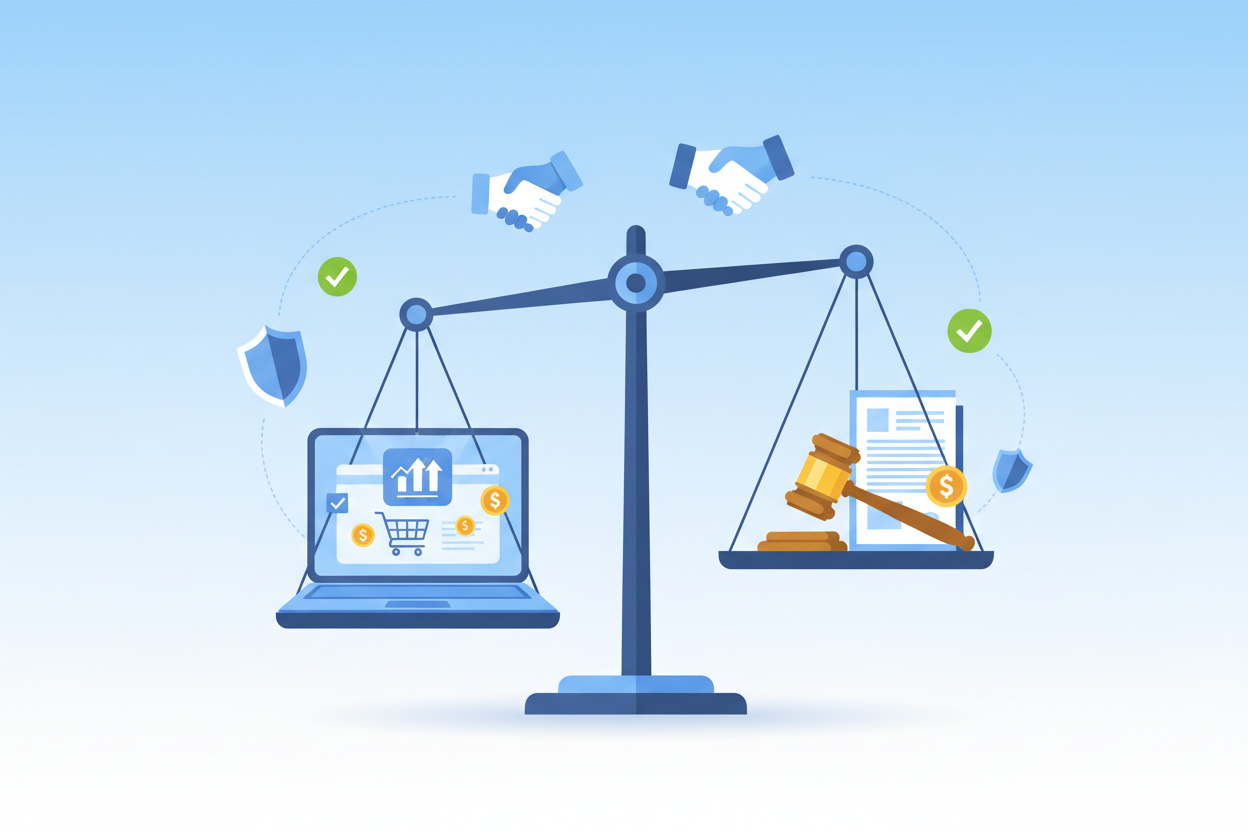
Transparency is non-negotiable in today’s marketing landscape. Ensure that all micro-influencer partnerships clearly disclose the affiliate relationship according to FTC guidelines. This transparency actually builds trust with audiences and can improve conversion rates when handled properly.
Create win-win scenarios by offering value beyond just commission payments. Consider providing exclusive access to new products, inviting influencers to brand events, or featuring their content on your official channels. These additional perks help build stronger relationships and encourage long-term loyalty.
Communication is key to maintaining successful partnerships. Establish regular check-ins to discuss performance, gather feedback, and explore new collaboration opportunities. This ongoing dialogue helps optimize campaigns and builds the foundation for lasting business relationships.
Measuring and Optimizing Your Micro-Influencer Campaigns 📊
Effective measurement goes beyond basic metrics like reach and impressions. Focus on conversion-specific metrics such as click-through rates, conversion rates, and customer lifetime value. These metrics provide clearer insights into the actual business impact of your micro-influencer partnerships.
Implement robust tracking systems to monitor performance across different influencers and campaigns. Use unique affiliate codes or links for each partner to accurately attribute conversions and calculate return on investment. This data becomes invaluable for identifying top-performing partnerships and optimizing future campaigns.
A/B testing different approaches with micro-influencers can yield significant insights. Test various content formats, posting times, call-to-action styles, and promotional offers to identify what drives the best results with different audience segments.
Regular performance reviews should inform ongoing strategy adjustments. Analyze which types of content generate the highest conversions, which influencers deliver the best ROI, and which audience segments show the most promise for expansion.
Common Pitfalls and How to Avoid Them ⚠️
One of the biggest mistakes in micro-influencer marketing is treating all influencers the same way. Each creator has unique strengths, audience characteristics, and content preferences. Successful campaigns require personalized approaches that leverage each influencer’s specific advantages.
Overemphasizing follower count while ignoring engagement quality leads to poor campaign performance. An influencer with 10,000 highly engaged followers often delivers better results than one with 50,000 passive followers. Focus on engagement rates, comment quality, and audience authenticity rather than vanity metrics.
Rushing into partnerships without proper vetting can damage your brand reputation and waste resources. Take time to review potential partners’ content history, audience demographics, and previous brand collaborations. This due diligence helps ensure alignment and reduces the risk of problematic associations.
Neglecting long-term relationship building in favor of short-term campaigns limits your potential success. The most effective micro-influencer strategies involve developing ongoing partnerships that allow for deeper audience connection and improved conversion rates over time.
Future Trends in Micro-Influencer Affiliate Marketing 🔮
The micro-influencer landscape continues evolving with emerging technologies and changing consumer behaviors. Video content, particularly short-form videos on platforms like TikTok and Instagram Reels, is becoming increasingly important for affiliate marketing success.
Artificial intelligence and machine learning tools are making it easier to identify and evaluate potential micro-influencer partners. These technologies can analyze engagement patterns, audience demographics, and content performance to predict campaign success more accurately.
Niche specialization is becoming even more important as audiences seek increasingly specific and relevant content. Micro-influencers who establish expertise in very specific areas often command higher engagement rates and better conversion performance.
Cross-platform strategies are gaining importance as influencers expand their presence across multiple social media channels. Successful affiliate marketing campaigns increasingly involve coordinated content across different platforms to maximize reach and impact.
Conclusion: Your Path to Micro-Influencer Success 🎉
Micro-influencer strategies represent one of the most effective approaches to modern affiliate marketing. By focusing on authentic partnerships, strategic selection, and long-term relationship building, brands can achieve remarkable results while building genuine connections with their target audiences.
The key to success lies in understanding that micro-influencer marketing isn’t just about finding people with followers – it’s about identifying authentic voices that resonate with your target market and building meaningful partnerships that benefit everyone involved. When executed properly, these strategies can deliver superior ROI, higher conversion rates, and stronger brand loyalty than traditional advertising approaches.
As the digital marketing landscape continues evolving, micro-influencers will likely become even more important for brands seeking authentic ways to connect with consumers. By implementing these strategies and staying current with emerging trends, you’ll be well-positioned to leverage this powerful marketing channel for sustained affiliate marketing success.
Frequently Asked Questions 🤔
Q: What’s the ideal follower count for micro-influencers in affiliate marketing?
A: Generally, micro-influencers have between 1,000 and 100,000 followers, but the sweet spot for affiliate marketing is often 10,000-50,000 followers. This range typically provides the best balance of reach and engagement for conversion-focused campaigns.
Q: How much should I pay micro-influencers for affiliate marketing campaigns?
A: Payment structures vary widely, but many micro-influencer partnerships work on commission-only or hybrid models combining small upfront payments with performance bonuses. Commission rates typically range from 5-30% depending on the product and industry.
Q: How do I find the right micro-influencers for my brand?
A: Use influencer discovery platforms, search relevant hashtags on social media, analyze your competitors’ partnerships, and leverage your existing customer base to identify potential micro-influencer partners who align with your brand values and target audience.
Q: What legal considerations should I be aware of?
A: Ensure all partnerships comply with FTC disclosure requirements, clearly outline terms in written agreements, respect intellectual property rights, and maintain transparency about the commercial relationship in all content.
Q: How long should micro-influencer partnerships last?
A: While one-off campaigns can work, longer partnerships (3-6 months or more) typically yield better results as they allow time for audience trust to build and provide multiple touchpoints for conversion optimization.
Number 1 Money earning platform
Hit the button to check our number one recommended product




0 Comments