
Leveraging Pinterest for Affiliate Marketing Success: Your Complete Guide to Visual Revenue 📌
Have you ever wondered why some affiliate marketers seem to effortlessly generate passive income while others struggle to make their first sale? The secret might be hiding in plain sight on one of the most underutilized platforms for affiliate marketing: Pinterest. With over 450 million monthly active users and a user base that’s actively searching for products and inspiration, Pinterest offers a goldmine of opportunities for savvy affiliate marketers.
Unlike other social media platforms where content disappears into the void after a few hours, Pinterest pins have an incredibly long lifespan – sometimes generating traffic for months or even years after being posted. This evergreen nature makes it perfect for building sustainable affiliate income streams. In this comprehensive guide, we’ll explore how you can transform your Pinterest presence into a profitable affiliate marketing machine.
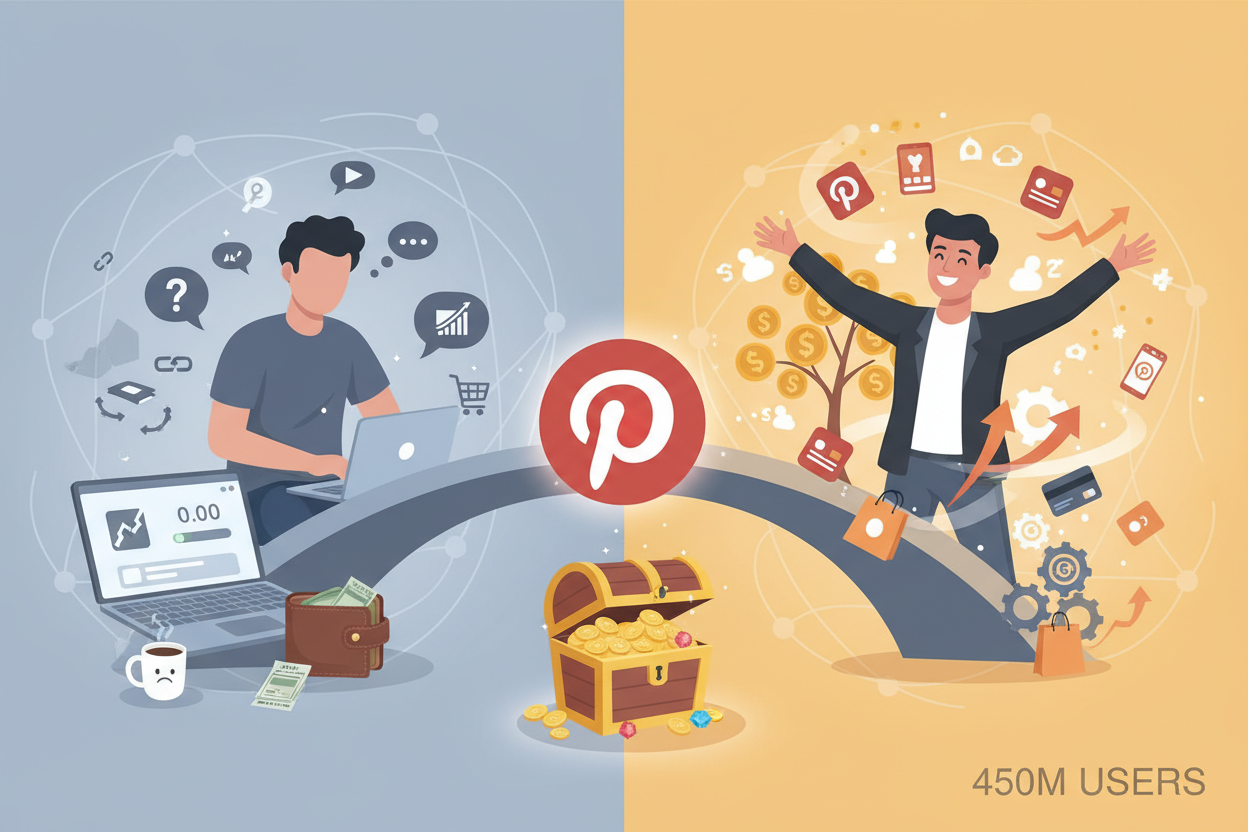
Table of Contents
• Understanding Pinterest’s Unique Ecosystem for Affiliate Marketing
• Setting Up Your Pinterest Business Account for Success
• Creating Pin-Worthy Content That Converts
• Strategic Keyword Optimization for Pinterest SEO
• Building and Organizing Profitable Pinterest Boards
• Pinterest Analytics: Tracking Your Affiliate Success
• Advanced Pinterest Strategies for Scaling Your Income
• Common Mistakes to Avoid in Pinterest Affiliate Marketing
• Frequently Asked Questions
Understanding Pinterest’s Unique Ecosystem for Affiliate Marketing 🎯
Pinterest isn’t just another social media platform – it’s a visual search engine where people actively hunt for solutions, inspiration, and products to purchase. This fundamental difference makes it incredibly powerful for affiliate marketing. When someone pins your content, they’re essentially bookmarking it for future reference, creating multiple touchpoints for potential conversions.

The platform’s algorithm favors fresh, high-quality content that receives engagement, which means your affiliate pins can gain momentum over time. I’ve personally seen pins from two years ago suddenly spike in impressions and drive affiliate sales, something that’s virtually impossible on platforms like Instagram or Facebook.
What makes Pinterest particularly attractive for affiliate marketers is its user intent. People come to Pinterest with a shopping mindset – they’re looking for recipes to try, home decor to buy, fashion inspiration to recreate, and travel destinations to visit. This purchase-ready audience is exactly what affiliate marketers dream of reaching.
Setting Up Your Pinterest Business Account for Success 💼
Before diving into affiliate marketing on Pinterest, you need a solid foundation. Converting to a Pinterest Business account is absolutely essential – it’s free and unlocks powerful features like Pinterest Analytics, Rich Pins, and advertising options that personal accounts simply don’t have access to.
Your profile optimization is crucial for long-term success. Choose a clear, professional profile picture that represents your brand or niche. Your bio should immediately communicate what value you provide and include relevant keywords that your target audience might search for. For example, if you’re in the home decor niche, include terms like “home styling tips,” “budget decorating,” or “DIY home projects.”
Claiming your website is another critical step that many beginners overlook. This process verifies your domain and allows you to access detailed analytics about how your website content performs on Pinterest. It also enables Rich Pins, which automatically sync information from your website to your pins, making them more informative and trustworthy.
Creating Pin-Worthy Content That Converts 🎨
The visual nature of Pinterest means your pin design can make or break your affiliate marketing success. High-quality, eye-catching graphics are non-negotiable in today’s competitive Pinterest landscape. Your pins should be vertical (ideally 2:3 ratio), bright, and easy to read on mobile devices where most Pinterest browsing happens.
Text overlay on your pins is incredibly important for context and searchability. Include your main keyword in the text overlay, but keep it concise and compelling. Instead of just “Kitchen Organization,” try “5 Genius Kitchen Organization Hacks That Save Hours Daily.” This approach immediately communicates value and creates curiosity.
When it comes to affiliate disclosure, transparency builds trust. I always include a subtle but clear disclosure like “affiliate links included” or use the #ad hashtag in my pin descriptions. Pinterest users appreciate honesty, and it actually tends to increase click-through rates rather than decrease them.
Creating multiple pin designs for the same affiliate content is a game-changer. Different visual styles appeal to different users, and Pinterest’s algorithm favors accounts that provide variety. I typically create 3-5 different pin designs for each piece of affiliate content, spacing out their publication over several weeks.
Strategic Keyword Optimization for Pinterest SEO 🔍
Pinterest SEO works differently from Google SEO, but it’s equally important for affiliate marketing success. Pinterest users search using natural language, so your keyword strategy should focus on how people actually describe what they’re looking for rather than technical jargon.
Your pin descriptions should be detailed and keyword-rich without feeling stuffed or unnatural. Aim for 100-200 characters and include your primary keyword within the first 50 characters. Pinterest’s algorithm pays special attention to the beginning of your description, so front-load your most important keywords.
Hashtags on Pinterest work differently than on other platforms. Use 3-5 relevant hashtags maximum, focusing on specific rather than broad terms. Instead of #fashion, try #workwearstyle or #budgetfashionfinds. These specific hashtags have less competition and attract more targeted traffic that’s likely to convert.
Board names and descriptions are often overlooked SEO opportunities. Each board should have a clear, keyword-rich name and a detailed description that includes related keywords. This helps Pinterest understand your content’s context and shows it to the right audience.
Building and Organizing Profitable Pinterest Boards 📋
Strategic board organization can significantly impact your affiliate marketing success. Create boards that align with your affiliate niches and organize them logically. If you’re promoting kitchen gadgets, you might have boards like “Time-Saving Kitchen Tools,” “Budget-Friendly Cooking Essentials,” and “Healthy Meal Prep Gadgets.”
The 80/20 rule is crucial for Pinterest affiliate marketing success. Only 20% of your pins should be your own affiliate content, while 80% should be high-quality content from other sources that provides value to your audience. This ratio keeps your boards fresh and prevents Pinterest from flagging your account as overly promotional.
Board covers create a professional, cohesive look that encourages users to follow your boards. Create simple, branded covers that clearly indicate each board’s topic. Consistency in your cover design helps establish brand recognition and makes your profile look more trustworthy.
Seasonal boards can be incredibly profitable for affiliate marketing. Create boards around holidays, seasons, and events when people are actively shopping. A “Holiday Gift Guide Under $50” board in November can drive significant affiliate commissions during the holiday shopping season.
Pinterest Analytics: Tracking Your Affiliate Success 📊
Pinterest Analytics provides invaluable insights into what content resonates with your audience and drives the most affiliate traffic. Pay close attention to your top-performing pins and analyze what makes them successful – is it the visual style, the keywords used, or the timing of publication?
The “Popular Pins” section shows which of your pins are gaining the most traction. These high-performing pins are perfect candidates for creating similar content or for promoting with Pinterest ads to amplify their reach and potential affiliate earnings.
Audience insights reveal crucial demographic and interest data about your followers. This information helps you create more targeted affiliate content and choose products that align with your audience’s preferences and purchasing power.
Website analytics integration is essential for tracking affiliate conversions. Use UTM parameters in your affiliate links to track which Pinterest pins drive the most sales. Google Analytics can show you exactly which pins are your top revenue generators, allowing you to focus your efforts on what works.
Advanced Pinterest Strategies for Scaling Your Income 🚀
Once you’ve mastered the basics, it’s time to scale your Pinterest affiliate marketing efforts. Pinterest ads can dramatically amplify your reach and affiliate earnings. Start with promoting your best-performing organic pins to a broader audience, then gradually experiment with creating ads specifically for high-converting affiliate products.
Seasonal content planning is crucial for maximizing affiliate earnings. Start creating and pinning holiday content 45-60 days before the actual holiday. Pinterest users plan ahead, and early pins have time to gain traction before the peak shopping periods.
Collaborating with other Pinterest users in your niche can expand your reach significantly. Group boards, while less powerful than they once were, can still provide exposure to new audiences. Focus on high-quality group boards with active, engaged members rather than those with massive but inactive followings.
Fresh pin strategy involves regularly creating new pins for your best affiliate content. Pinterest rewards fresh content, so creating new pins for the same affiliate blog post or product review every few months can breathe new life into your older content and drive additional traffic and sales.
Common Mistakes to Avoid in Pinterest Affiliate Marketing ⚠️
One of the biggest mistakes I see new Pinterest affiliate marketers make is being overly promotional. Pinterest users are savvy and can spot pure sales pitches from a mile away. Focus on providing genuine value and solving problems rather than just pushing products.
Ignoring Pinterest’s best practices can seriously harm your account’s performance. Avoid practices like pin scheduling too frequently (more than 25 pins per day), using the same image for multiple pins, or creating boards with fewer than 3 pins. These practices can trigger Pinterest’s spam filters.
Neglecting mobile optimization is a costly oversight. Over 80% of Pinterest users access the platform via mobile devices, so your pins must look great and be easily readable on small screens. Test your pins on mobile before publishing to ensure they’re effective across all devices.
Inconsistency in posting and engagement can stall your Pinterest growth. Develop a sustainable posting schedule and stick to it. I recommend pinning 5-15 high-quality pins daily rather than batch-posting 50 pins once a week. Consistency signals to Pinterest that you’re an active, valuable user.
Maximizing Your Pinterest Affiliate Marketing Potential
Pinterest offers incredible opportunities for affiliate marketers willing to invest time in understanding its unique ecosystem. The platform’s visual nature, long content lifespan, and purchase-ready audience make it ideal for generating sustainable affiliate income. Success on Pinterest requires patience, consistency, and a genuine focus on providing value to your audience.
Remember that Pinterest affiliate marketing is a marathon, not a sprint. While you might see some quick wins, the real power lies in building a comprehensive strategy that compounds over time. Your pins from today could still be driving affiliate sales months or even years from now.
Start implementing these strategies gradually, focusing on one area at a time rather than trying to do everything at once. Monitor your analytics closely, double down on what works, and don’t be afraid to pivot when something isn’t delivering results. With dedication and the right approach, Pinterest can become your most valuable affiliate marketing channel.
Frequently Asked Questions 🤔
Q: How long does it take to see results from Pinterest affiliate marketing?
A: Most Pinterest affiliate marketers start seeing meaningful traffic within 3-6 months of consistent posting. However, significant affiliate income typically develops over 6-12 months as your pins gain traction and your audience grows.
Q: Do I need to disclose affiliate links on Pinterest?
A: Yes, affiliate disclosure is required by law and Pinterest’s terms of service. Include clear disclosures like “affiliate links included” in your pin descriptions or use hashtags like #ad or #affiliate.
Q: Can I use the same pin image for multiple affiliate products?
A: No, Pinterest considers this duplicate content and may limit your reach. Create unique, original images for each pin to maximize performance and avoid penalties.
Q: What’s the best time to pin for affiliate marketing?
A: Pinterest analytics shows that evenings (8-11 PM) and weekends generally see higher engagement. However, consistency is more important than timing – focus on maintaining a regular posting schedule.
Q: How many affiliate pins should I post per day?
A: Follow the 80/20 rule – only 20% of your daily pins should be affiliate content. If you’re posting 10 pins daily, only 2 should be affiliate-related to maintain a healthy ratio.
Q: Should I use Pinterest ads for affiliate marketing?
A: Pinterest ads can be effective for affiliate marketing, but start with organic growth first. Once you identify your best-performing pins, consider promoting them with ads to amplify their reach and potential earnings.
Number 1 Money earning platform
Hit the button to check our number one recommended product



0 Comments